Biography
Born in 1930 in Wendorf, Günther Uecker belongs to the most influential generation of European post-war artists. As a central representative of the ZERO movement, he developed an artistic language that radically expanded painting into the spatial and material realm.
Following his studies in Berlin and at the Academy of Art in Düsseldorf, Uecker joined ZERO alongside Otto Piene and Heinz Mack. His breakthrough came with the development of his internationally renowned nail reliefs, in which densely arranged nails create surfaces of striking rhythmic precision. Depending on light and perspective, these works continuously change their visual appearance, generating movement, shadow, and sculptural depth.
Over decades, Uecker expanded this material language into sculptures, installations, stage projects, and monumental works. His oeuvre combines formal clarity with strong symbolic force and has repeatedly addressed themes such as energy, spirituality, vulnerability, and human conflict.
His works are represented in leading museum collections worldwide and have been shown in major international exhibitions including documenta and the Venice Biennale.
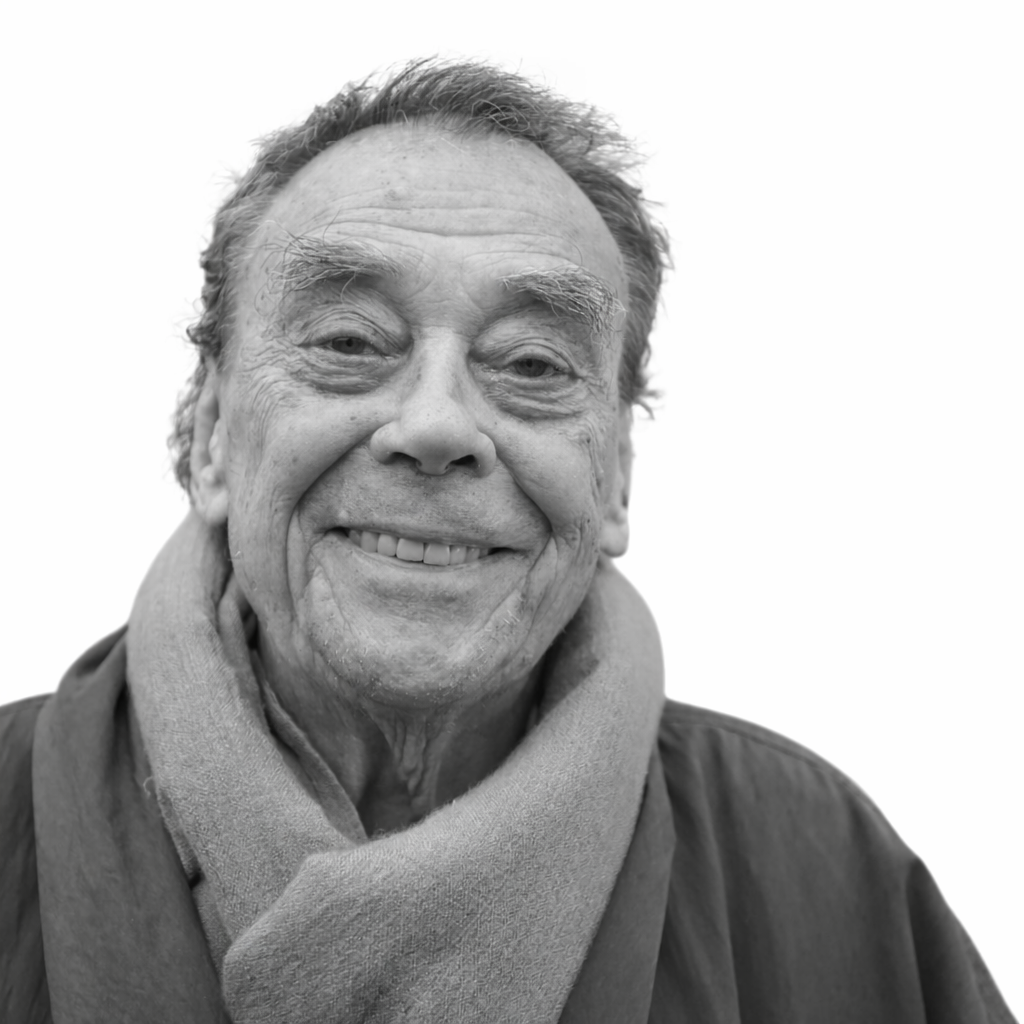
Today, Günther Uecker’s works are among the most sought-after positions in German post-war art, valued for their unmistakable material identity, museum significance, and enduring international demand.