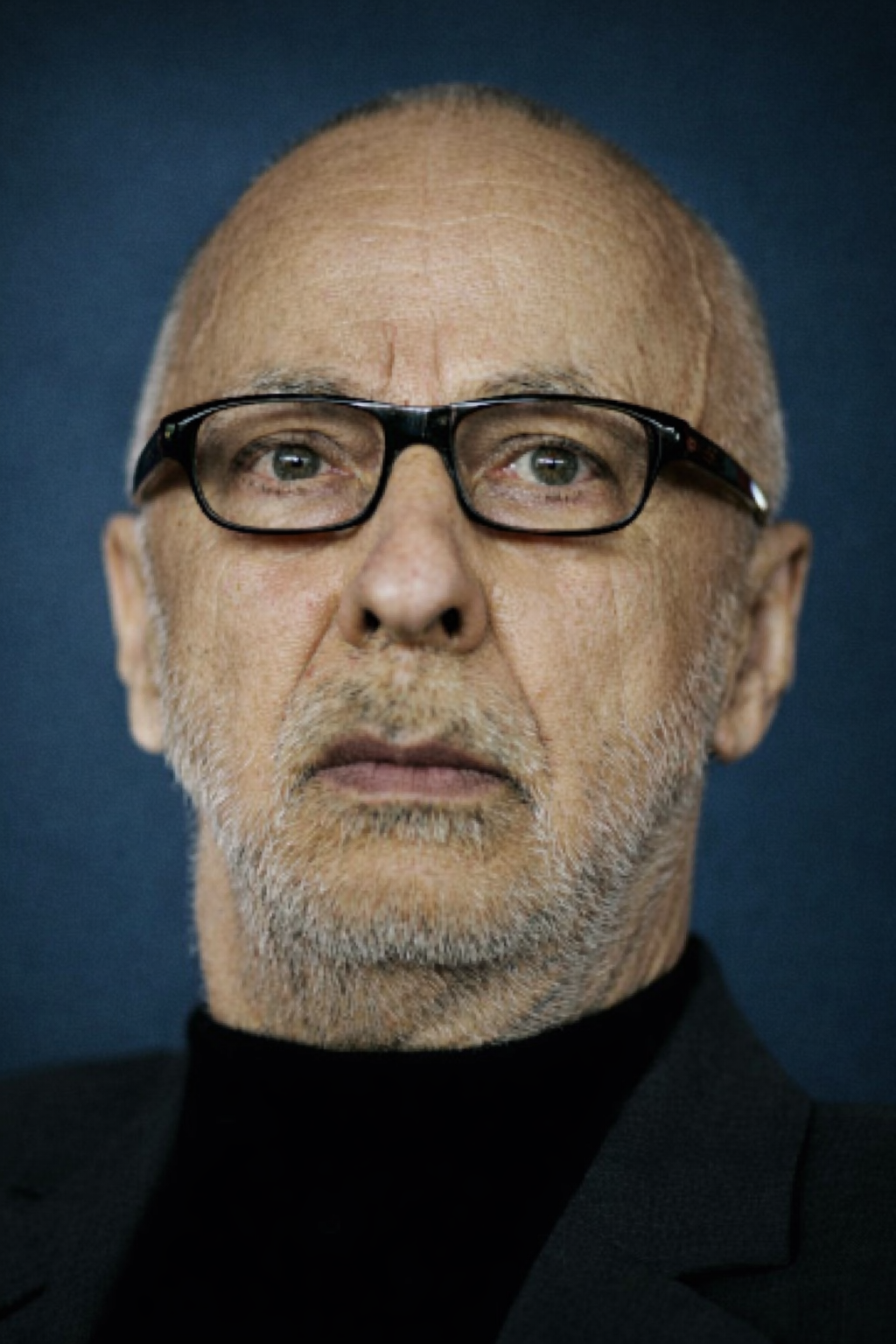
Biography
Born in 1945 in Bleckede, Jörg Immendorff emerged as one of the defining voices of German post-war painting. He studied at the Academy of Art in Düsseldorf under Joseph Beuys, whose influence shaped his early understanding of art as a social and political force.
From the late 1960s onward, Immendorff developed a highly independent artistic language in which painting became a stage for political commentary, personal symbolism, and historical reflection. His internationally celebrated Café Deutschland series established him as one of the most important painters of divided Germany: complex scenes in which figures, symbols, and historical references condense into powerful visual narratives.
Throughout his career, Immendorff combined expressive figuration with intellectual and political depth. His works frequently addressed themes such as German identity, ideological conflict, cultural memory, and the role of the artist within society.
In addition to painting, he created sculptures, stage designs, and graphic works, while maintaining close dialogue with writers, musicians, and intellectual figures of his time. His work was exhibited internationally and entered major museum and private collections across Europe and beyond.
Today, Jörg Immendorff is regarded as one of the central protagonists of German Neo-Expressionism. His paintings remain highly sought after for their strong visual presence, historical relevance, and unmistakable artistic signature.