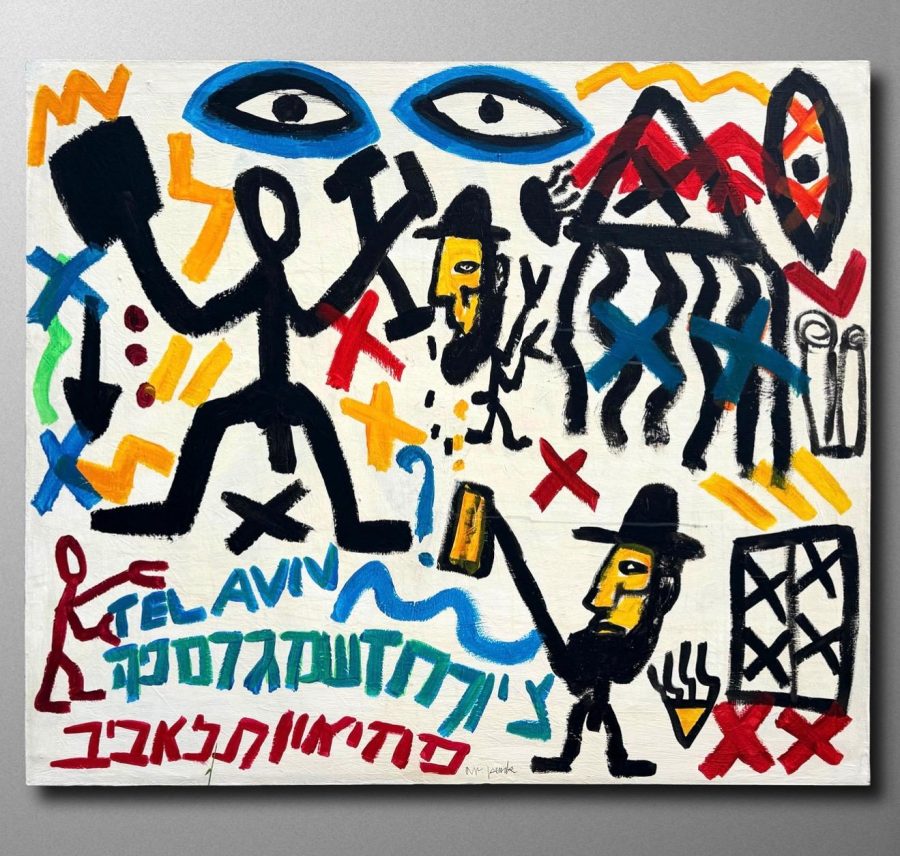
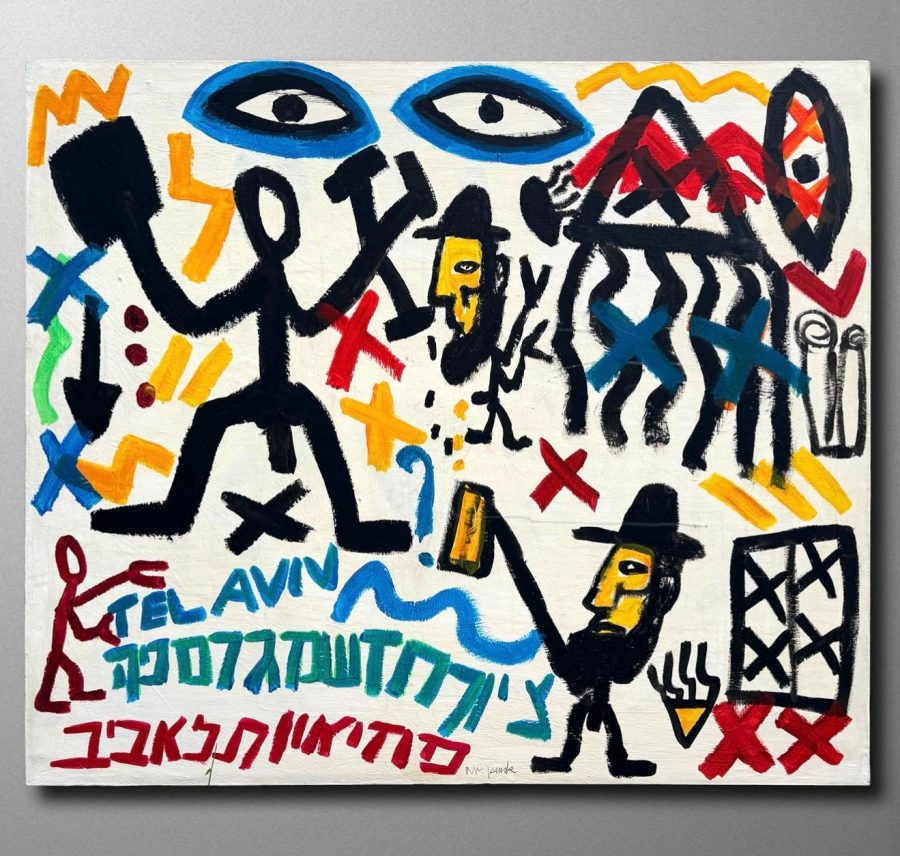
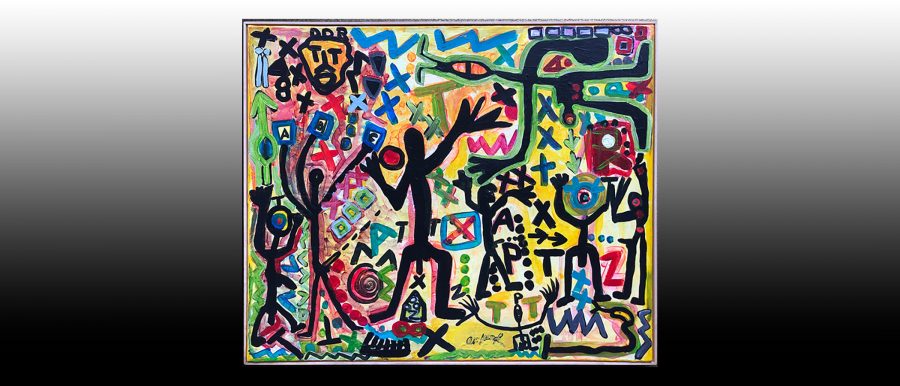
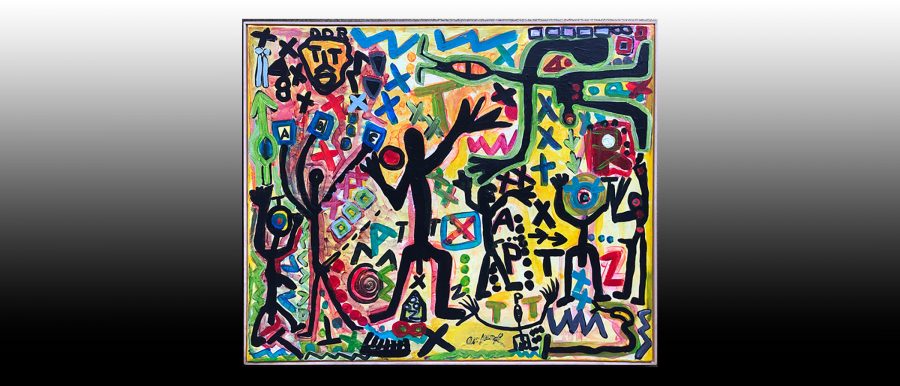
A. R. Penck’s 1983 journey to Israel, his criticism of East Germany’s antifascist self-image, and personal testimonies from his close friend Hans-Joachim Kuhn: Art dealer Ernst Raphael Jockels offers new insights into Penck’s work and challenges exclusive claims to expertise in the art market.
A. R. Pencks Israelreise von 1983, seine Kritik am antifaschistischen Selbstbild der DDR und persönliche Zeugnisse seines Weggefährten Hans-Joachim Kuhn: Kunsthändler Ernst Raphael Jockels eröffnet neue Einblicke in Pencks Werk und hinterfragt exklusive Deutungsansprüche im Kunsthandel.
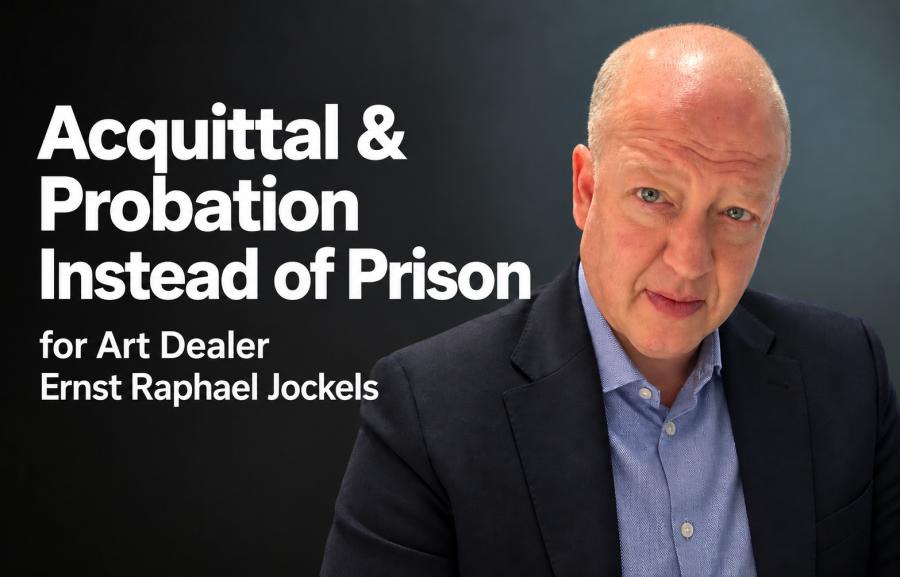
How an internationally circulated Artnet report and various BILD articles continue to defame the renowned art dealer Ernst Raphael Jockels and misrepresent the facts. Authentic A. R. Penck Work Confirmed by Court Ruling – Full Acquittal for Ernst Jockels The story of this case begins not with a conviction, but with an acquittal: The originally joint proceedings were divided into two separate cases. In the trial concerning the AR-Penck works, Jockels was fully acquitted. What remained was solely the dispute over several Günther Uecker multiples – a matter that is considerably more complex, both legally and from an art historical […]
Wie ein international verbreiteter Artnet-Bericht und diverse BILD-Artikel bis heute den renommierten Kunsthändler Ernst Raphael Jockels diffamieren und Fakten falsch darstellen Riga, 6.10.2026 – Die Geschichte dieses Falles beginnt nicht mit einer Verurteilung, sondern mit einem Freispruch: Das ursprünglich gemeinsam geführte Verfahren wurde in zwei Komplexe aufgeteilt. Im Verfahren um die A.R.-Penck-Werke wurde Jockels vollständig freigesprochen. Übrig blieb allein der Streit um mehrere Günther-Uecker-Multiples – und damit ein Sachverhalt, der juristisch wie kun Laut Gerichtsurteil nachweislich echtes Werk von A. R. Penck – vollständiger Freispruch für Ernst Jockels sthistorisch wesentlich komplizierter ist, als es die späteren Schlagzeilen vermuten ließen. Denn […]
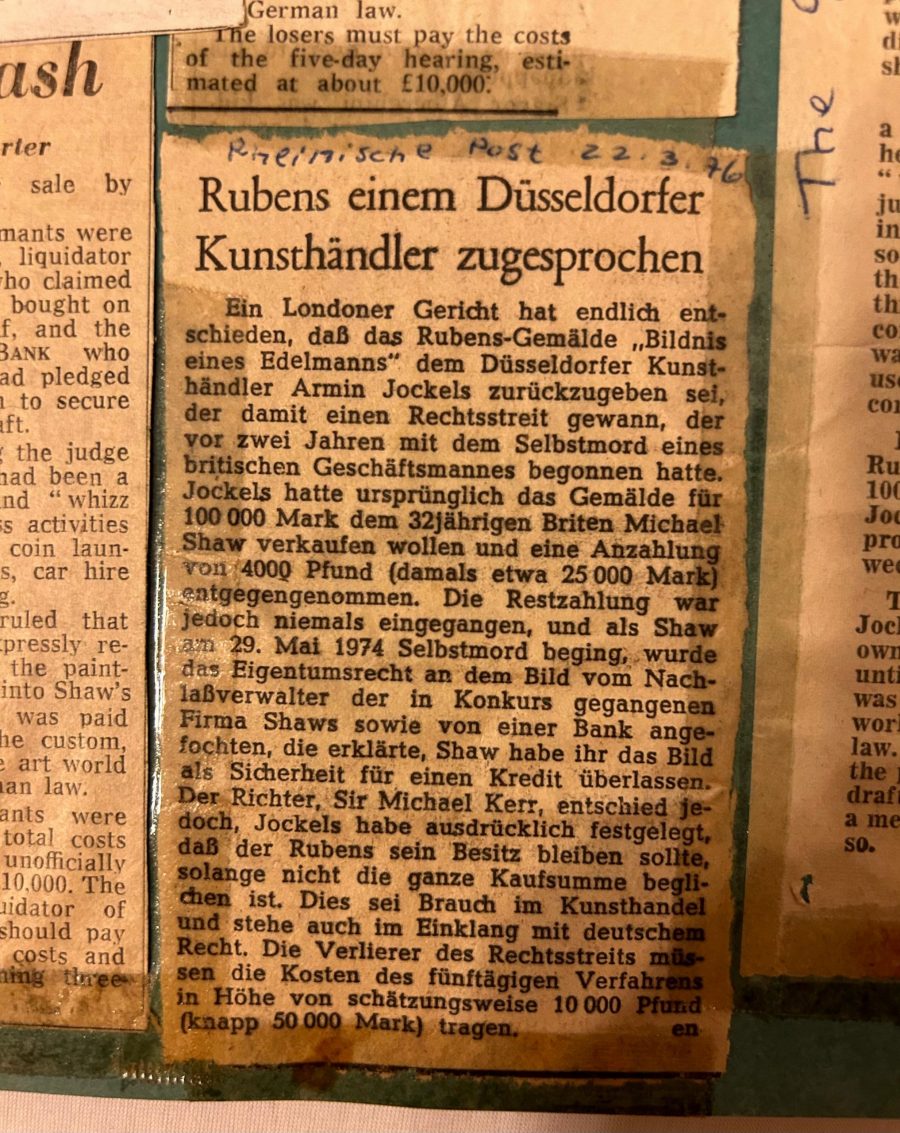
Defamation or security warning? In the Uecker/Ernst Jockels case, art historian Behrend Finke attacks “nameless dealers.” Jockels counters with facts: a second-generation art dealer, international references, a valid address—and a Rubens case won in 1976.
Rufmord oder Sicherheitshinweis? Im Fall Uecker/Ernst Jockels attackiert Kunsthistoriker Behrend Finke „namenlose Händler“. Jockels kontert mit Fakten: Kunsthandel in zweiter Generation, internationale Referenzen, ladungsfähige Adresse – und ein gewonnenes Rubens-Urteil von 1976.
She is considered a respected expert on contemporary art, but now Sasa Hanten-Schmidt is under fire: the publicly sworn art expert is alleged to have violated the principle of independence by issuing expert opinions while also being active in the art market herself. In addition, she works closely with the controversial “Database of Critical Works” – a warning system that exists only in Germany and blacklists works of art, often on questionable grounds. A well-documented case involving fourteen works by A.R. Penck shows how Hanten-Schmidt even revoked her own expert opinion and used legal pressure to try to ban the works from the market permanently.
Die Kunstsachverständige Sasa Hanten-Schmidt steht im Zentrum einer Debatte über Unabhängigkeit, Macht und Intransparenz im deutschen Kunstmarkt. Am Beispiel eines spektakulären Falls um vierzehn Penck-Bilder zeigt sich, wie die Gutachterin Sasa Hanten-Schmidt mit einem Widerruf ganze Werkgruppen entwerten und Händler faktisch enteignen kann
The case of art dealer Ernst-Raphael Jockels against the late star artist Günther Uecker shows how some German auction houses are increasingly exploiting allegations of forgery to manipulate or monopolise the art market – at the expense of dealers, gallery owners, collectors and the diversity of the art on offer.
Der Fall des Kunsthändlers Ernst-Raphael Jockels gegen den inzwischen verstorbenen Star-Künstler Günther Uecker zeigt, wie einige deutsche Auktionshäuser zunehmend Fälschungsvorwürfe instrumentalisieren, um den Kunstmarkt zu manipulieren bzw. monopolisieren – zulasten von Händlern, Galeristen, Sammlern und der Vielfalt des Kunstangebots.
- 1
- 2